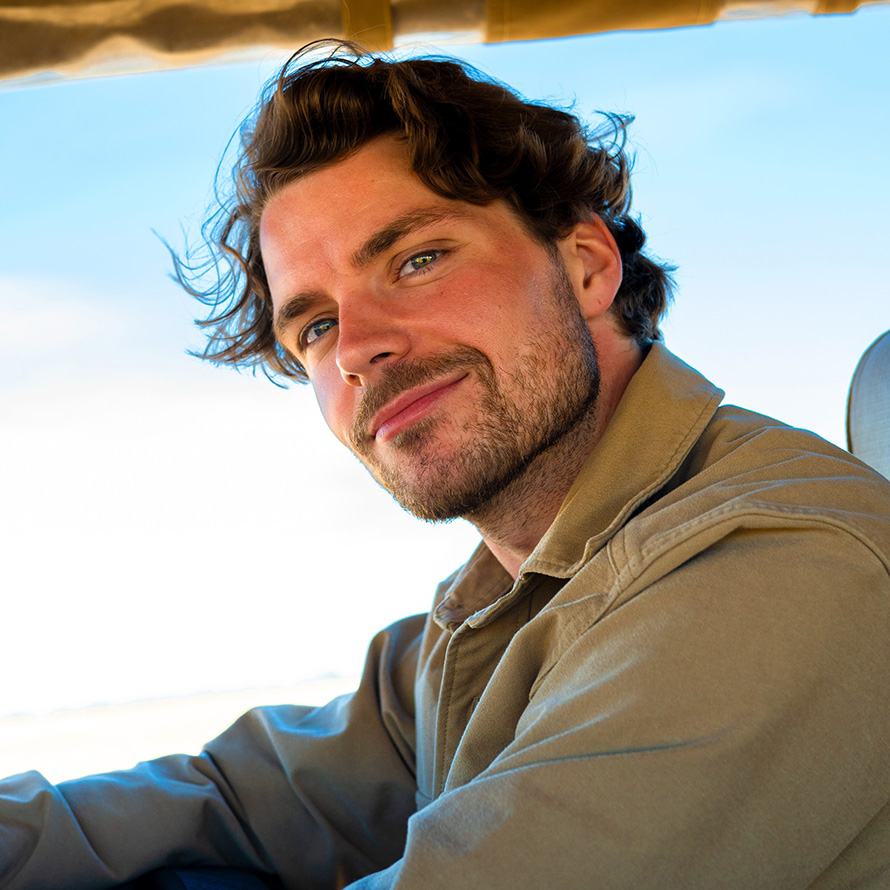

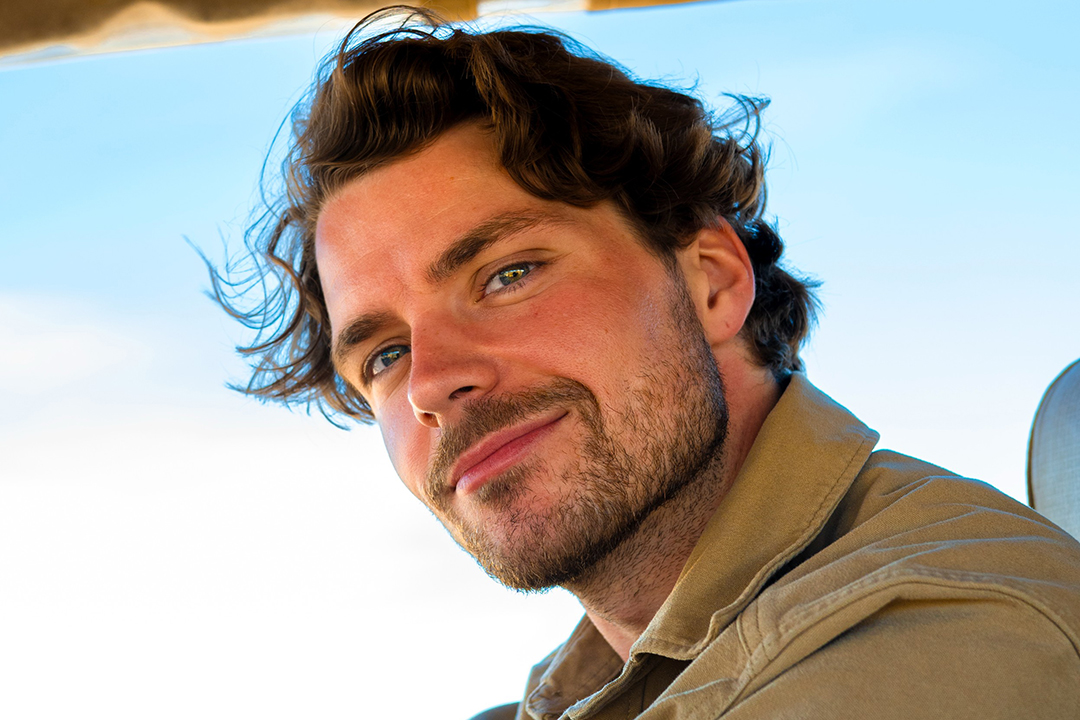
Cam Whitnall Interview: Sustainability, Conservation, & Taking Action

Cam Whitnall’s childhood bedroom overlooked a tiger enclosure. It’s fair to say his introduction to the natural world was a little different from most.

In this Cam Whitnall interview, we catch up with the conservationist, wildlife photographer, and TV presenter to talk sustainability, storytelling, and getting people involved. His work centres on protecting the natural world, with lessons for businesses on planning ahead, building a committed team, and using their influence responsibly.

Cam has spent his career helping people connect with wildlife. We wanted to find out how he turns that interest into support for conservation, what guides his decisions, and what organisations can learn from his experience.
Who Is Cam Whitnall?

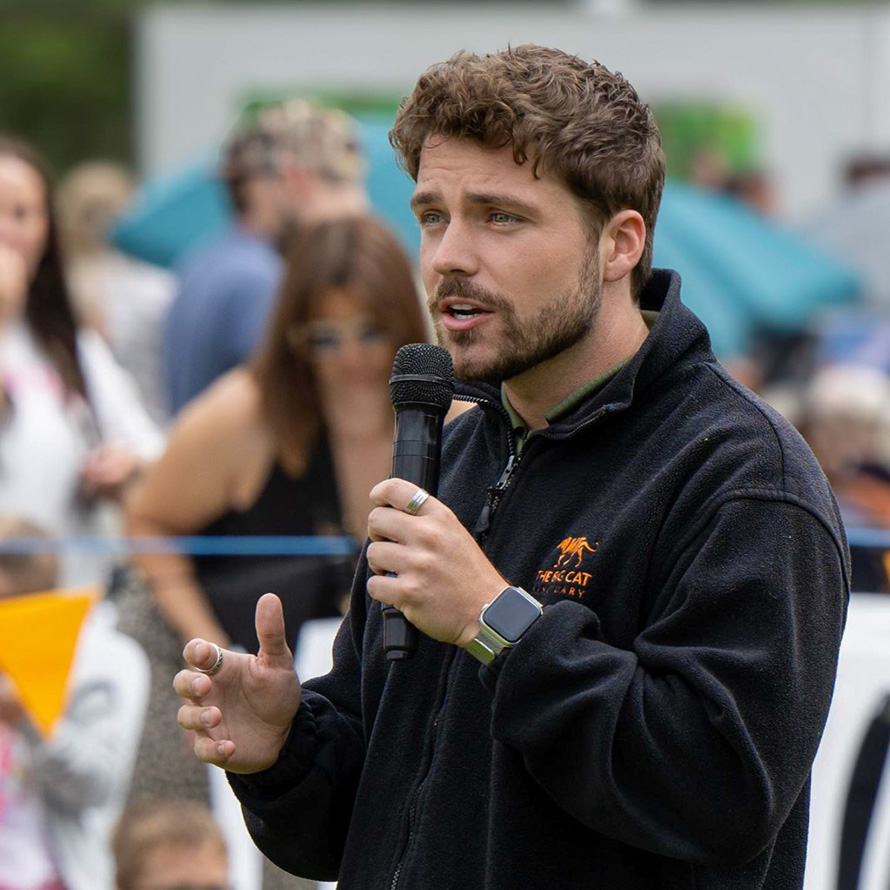
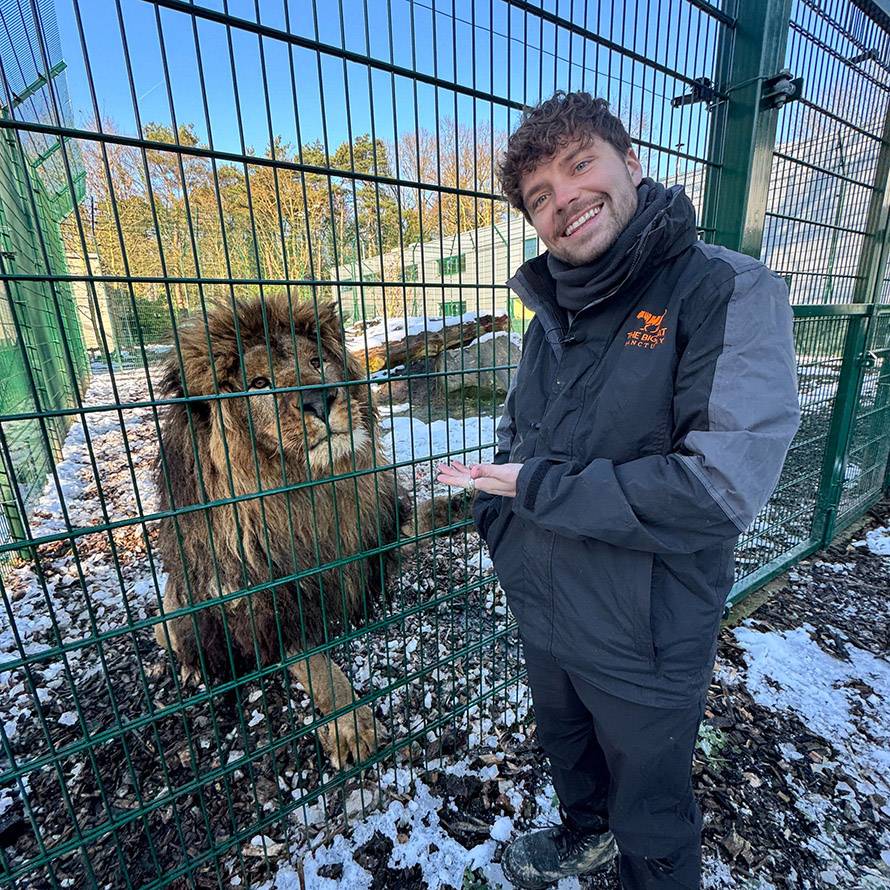
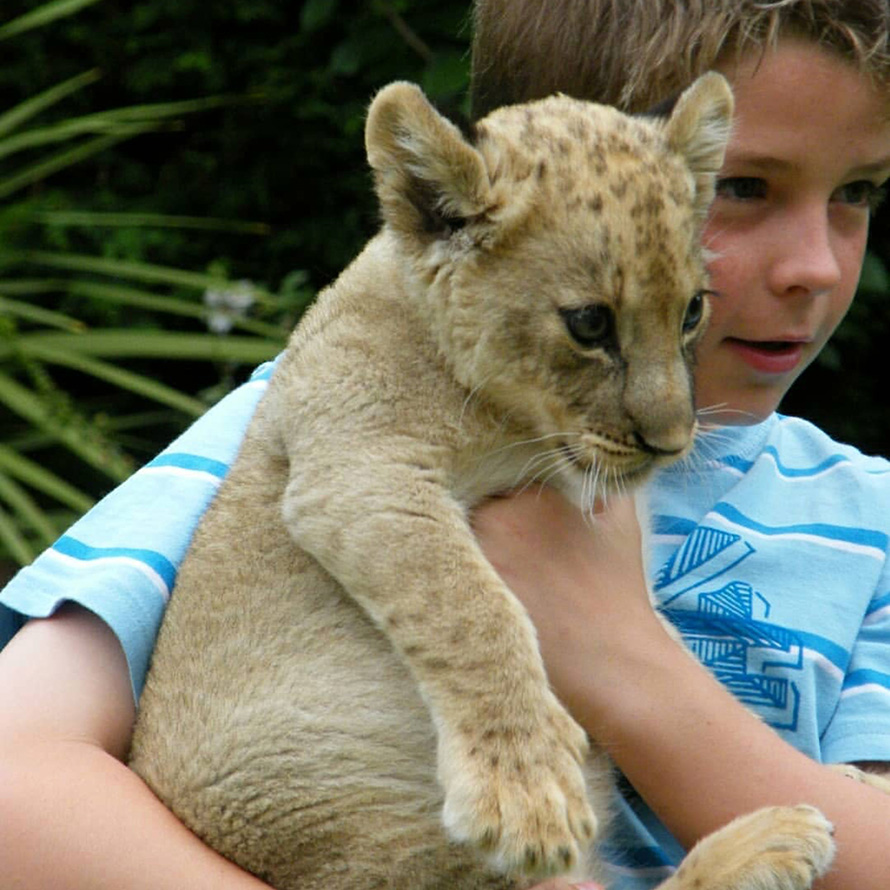
You may recognise Cam Whitnall from CBBC’s One Zoo Three, which follows Cam and his brothers, Aaron and Tyler, behind the scenes of their family’s wildlife work. He’s also Managing Director of The Big Cat Sanctuary in Kent, where the team’s work spans animal welfare, conservation, breeding, education, and rescue.

Away from the sanctuary, his wildlife photography gives audiences a closer look at animals and the places they live. Television, photography, and conservation might fill his diary in different ways, but they share a purpose: helping people understand wildlife and care about its future.

That combination of running a wildlife charity and communicating with a wide audience gives him plenty to bring to a business event. His talks explore sustainability through the responsibility of protecting species and planning for their future, alongside the leadership, teamwork, and communication needed to make that work possible.

As a B Corp, we’re very interested in the people putting environmental responsibility into practice, and what we can learn from them. In this Cam Whitnall interview, we discuss the experiences shaping his approach to sustainability, the stories that encourage people to act, and where he believes businesses can make a difference.

Cam Whitnall Interview: Sustainability In Practice

Many people think of sustainability as an environmental issue, but your talks often explore leadership, resilience, and purpose too. Why are those conversations so important for businesses today?

I think now more than ever, people care about our natural world. From a sustainability perspective, this is the time for everyone to step up and look towards the future, because we only have one planet. Without it, where are we?

That’s the way I’m leading the sanctuary as well. I want it to become an eco-retreat, and I’m looking at tons of different initiatives to put us at the forefront of sustainability, from solar panels to irrigation systems. What I’ve also learnt through my travels and meeting so many people is that the future generation cares about the mistakes we have made as adults.

There are so many people who want to see wildlife and the natural world thrive. I think the future generation will change the game, but it will also take a few big organisations making changes that help normal people living day by day.

You’ve been involved in some extraordinary conservation projects. Is there a particular story that resonates most with audiences?

I always say wildlife is a universal language. It doesn’t matter what background you’re from, what language you speak, what your culture is, or what your religion is. It connects all of us around the world.

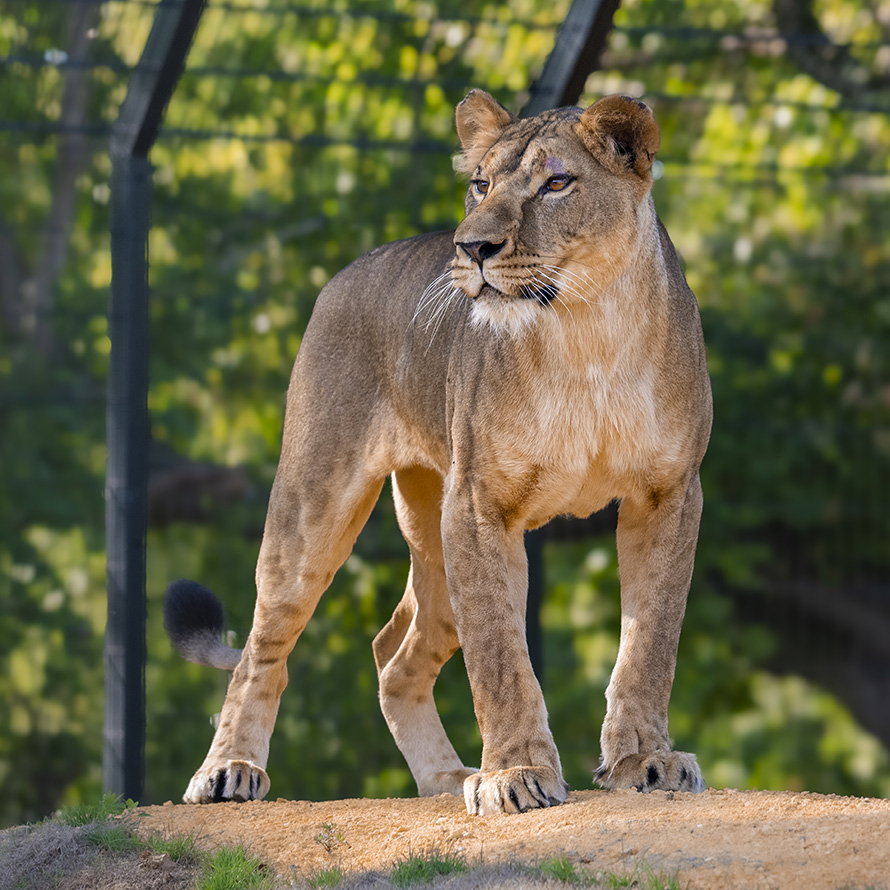
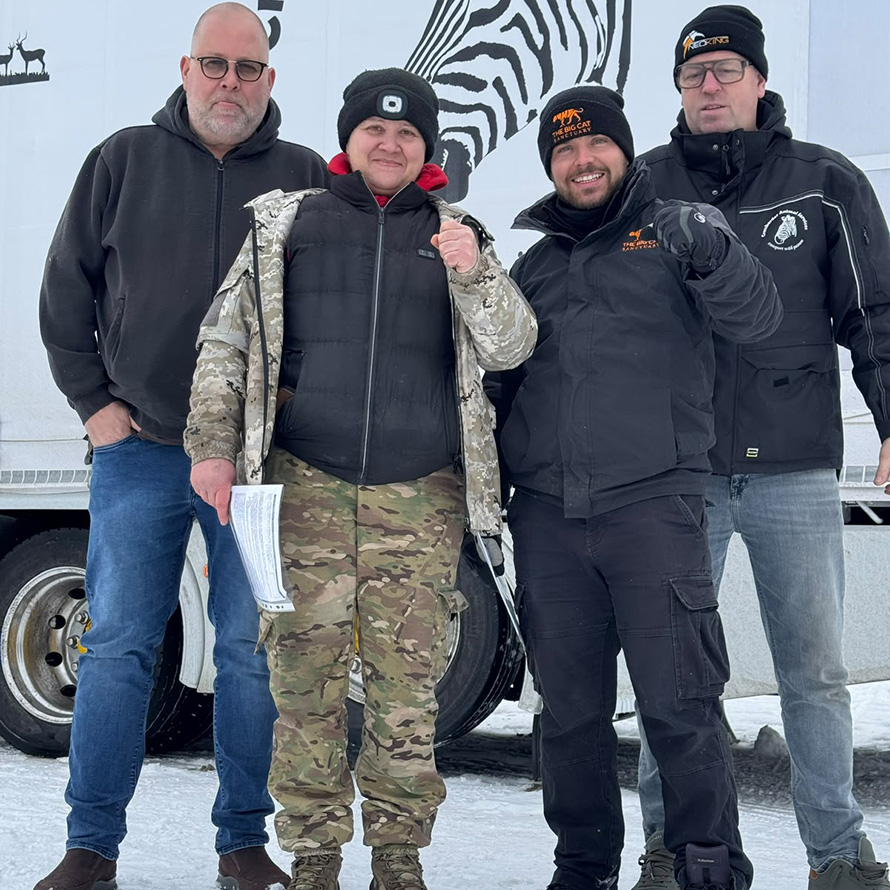
We rescued five lions from the war in Ukraine who were victims of the illegal wildlife trade. We were the first organisation, as far as I’m aware, from a zoo or sanctuary to enter an active war zone to get five big cats out. There was no blueprint. We had to make it up.

It was the first rescue I’d led myself. We raised half a million pounds in five months through social media and telling the lions’ story, before building the biggest habitat we’ve ever created across both of our charities.

You’ve built an audience of millions by telling stories about wildlife. Why do stories change people’s behaviour more effectively than facts alone?

My background is in marketing, social media, and storytelling. I’ve always looked at amazing charities and organisations and thought, why does everyone wait until they’ve achieved something to show the journey?

I wanted to flip the script and be completely open about whether the rescue went right or wrong. There were huge risks involved. Bombs were falling around the area, and the lions eventually spent over 30 hours travelling across six countries in the back of a lorry. Thankfully, everything went right, and all the lions and people got out safely.

Is there one story that has stayed with you the most?

Yuna was going to be euthanised. She was spinning in circles in her four-by-four concrete cell, and they had given up on her. They’d never seen her stand up. She had only ever been lying down, with her tail up and ears back, hissing and showing sheer aggression.

I’ve only ever known Yuna as this adorable little teddy bear lioness. She’s the sweetest thing ever, with her wobbly walk, and she has defied so much. She took her first steps on the grass when we got back, and that changed my life.

She’s what led me to become an author, writing Lion Heart, which became a Sunday Times bestseller.

Businesses are under increasing pressure to become more sustainable, but many don’t know where to begin. What advice would you give them?

I always lead with: what is the right thing to do?

I’m not just planning one year ahead; I’m planning five and 10 years ahead. Together as a team, we look at what we can do now and what will get us to where we want to be. My best bit of advice is to just do it.

It’s also about having conversations. If you don’t know what to do or who to speak to, there are so many people who can offer advice. Lead from the front, take risks, and you never know what doors are going to open.

What can organisations expect when they invite you to speak?

One of the things I wrote about in my book, and which I want to talk more about, is culture and leadership within an organisation.

When I took over the sanctuary, there was no vision or direction, the team wasn’t gelling, and we were about 10 years in the past. It was about bringing the team together, showing them what The Big Cat Sanctuary could become, and helping them feel proud of what they were doing.

In the last two years, we’ve won countless awards through our rescue work, marketing, and work as an animal charity. But you’re only as good as the team that you build around you.

What topics does Cam Whitnall speak about?

Cam speaks about:

  • Leadership and organisational transformation
  • Sustainability and corporate responsibility
  • Leading through crisis and making decisions under pressure
  • Building strong cultures through teamwork and trust
  • Digital storytelling that inspires real-world action
  • Wildlife conservation, rescue, and long-term legacy

Planning the wider event too? Our guide to sustainable conferences explores the venue, travel, catering, and production decisions behind a more responsible event.

Social media gets criticised for a lot of things, but you’ve used it to inspire conservation. How can brands use digital platforms more positively?

I started in social media 10 years ago at Jungle Creations. Within four months, I was head of video, leading a team of 25 people at the age of 20. It taught me how powerful social media can be when it’s used in the right way, and how to make stories short, simple, shareable, and relatable.

I later took over the zoo’s and sanctuary’s social media channels. Within three years, both had gone from outside the industry’s top 30 to numbers one and two in the country. Most brands overthink social media. It’s about showing people what they want to see and telling stories they can connect with. All five lions were most likely put in Ukraine through social media exploitation, but they also got out through social media because people shared their stories and funded their rescue. The more support I get, the more I’ll rescue, and the more I’ll conserve.

What’s next?

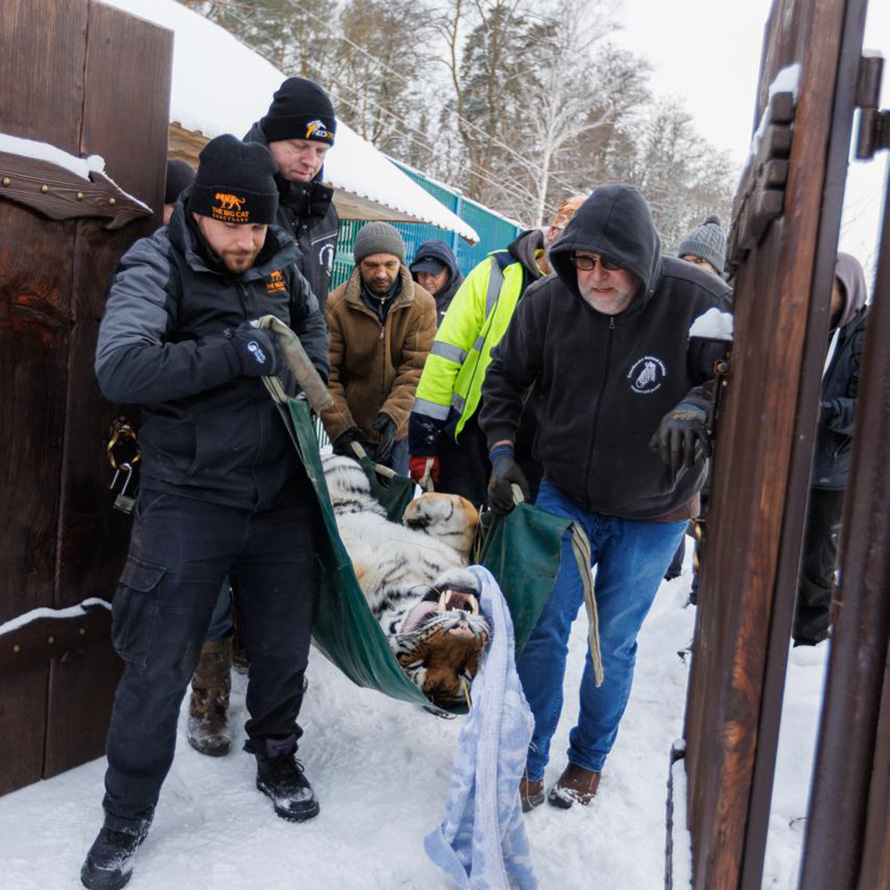
I recently completed another rescue mission to get a lynx and a tiger out. Ursa, the lynx, was being kept as an illegal pet. She’s now here, has taken her first steps on grass, and has moved into her forever home.

Wildlife stopped being my passion and became my responsibility. With the audience I have now, I feel like I need to play my part in making a difference.

There’s going to be a lot more rescue work. I’m also getting involved in rewilding, and next year, we’ll be running our own conservation projects through The Big Cat Sanctuary. I want to be at the forefront of conservation.

What is one book, documentary, or podcast everyone should experience?

There was a documentary I really enjoyed when I was younger called Racing Extinction by Louie Psihoyos. It opened my eyes to how ecotourism can change the fate of wildlife around the world through education.

There was a powerful story about communities moving away from killing manta rays and using ecotourism to generate revenue instead. With what I do, ecotourism is one of the best ways to keep animals alive in their wild habitats.

It was a really important and eye-opening documentary for me because it made me want to do that as well. Eventually, I want to carry out my own sting operation.

Book Cam Whitnall for your next event

A sustainability conference, leadership away day, or company learning session could be the ideal setting to hear more from Cam. His work offers a starting point for conversations about our responsibility towards wildlife, making difficult decisions, and bringing people together to achieve something they care about.


Our AOK Entertains team can help you explore booking Cam Whitnall for your event, ncluding availability and a format that suits your audience. Have another speaker in mind? We’d love to hear who’s on your list.

Want your corporate event to stand out?

Get in touch and let us work
on adding spine-tingling
entertainment to your
next corporate event!

"*" indicates required fields

This field is for validation purposes and should be left unchanged.