

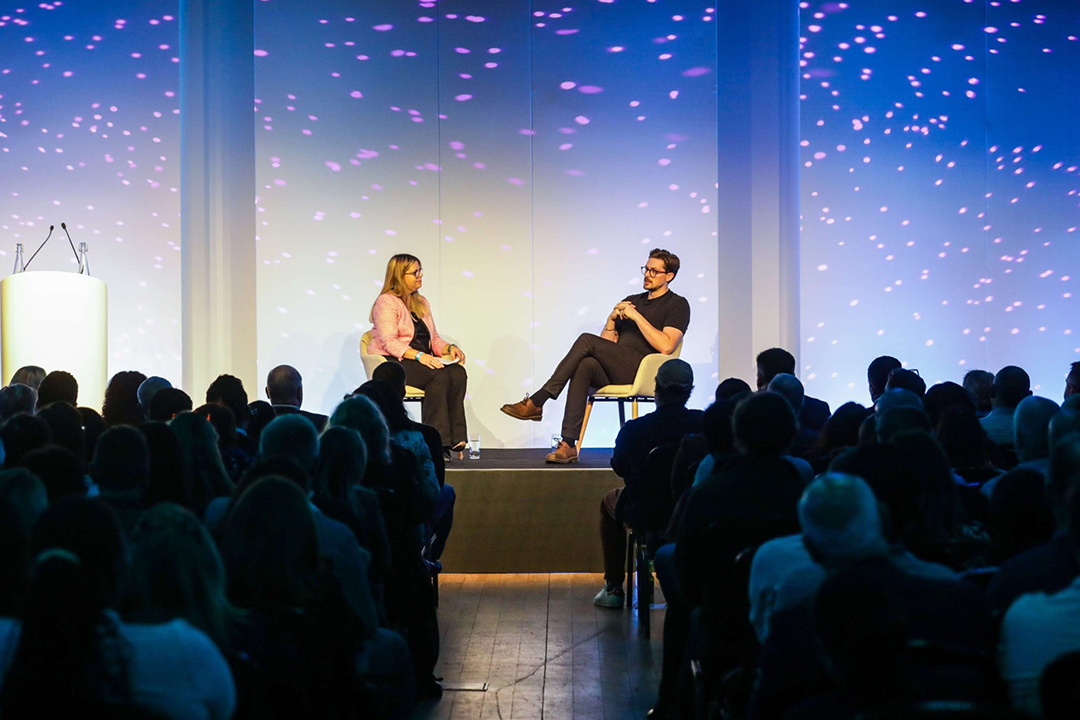
A conversation about men’s mental health can be difficult to start, especially at work. But hearing someone speak openly about their own experience can help people feel less alone and offer a better understanding of how to support one another.
With Movember bringing men’s health into focus this November, it’s a timely opportunity to give those conversations space in your event programme. But supporting men’s mental health deserves attention throughout the year.
The right men’s mental health speakers can bring personal experience, useful insight, and a welcoming approach to a subject that affects people in very different ways. Whether you’re planning a company conference, a wellbeing event, or a session for your leadership team, here are six names we’d put on your shortlist.
Why Book A Speaker On Men’s Mental Health?
For some men, admitting they’re struggling can come with a fear of being judged or appearing unable to cope. A speaker who understands that hesitation can help an audience explore it, while giving managers and colleagues something useful to think about.
That might mean discussing the pressure of success, the experience of living with depression, or what makes it easier to ask for support. The conversation can include everyone: colleagues of all genders have a part to play in creating a workplace where people feel able to speak honestly.
Ben West
Ben West speaks about mental health with a personal reason for wanting things to change. After his younger brother, Sam, died by suicide, Ben began campaigning for better understanding and support. He’s now an author and the founder of Reasons to Stay, a project sharing anonymous letters of kindness with people who are struggling.
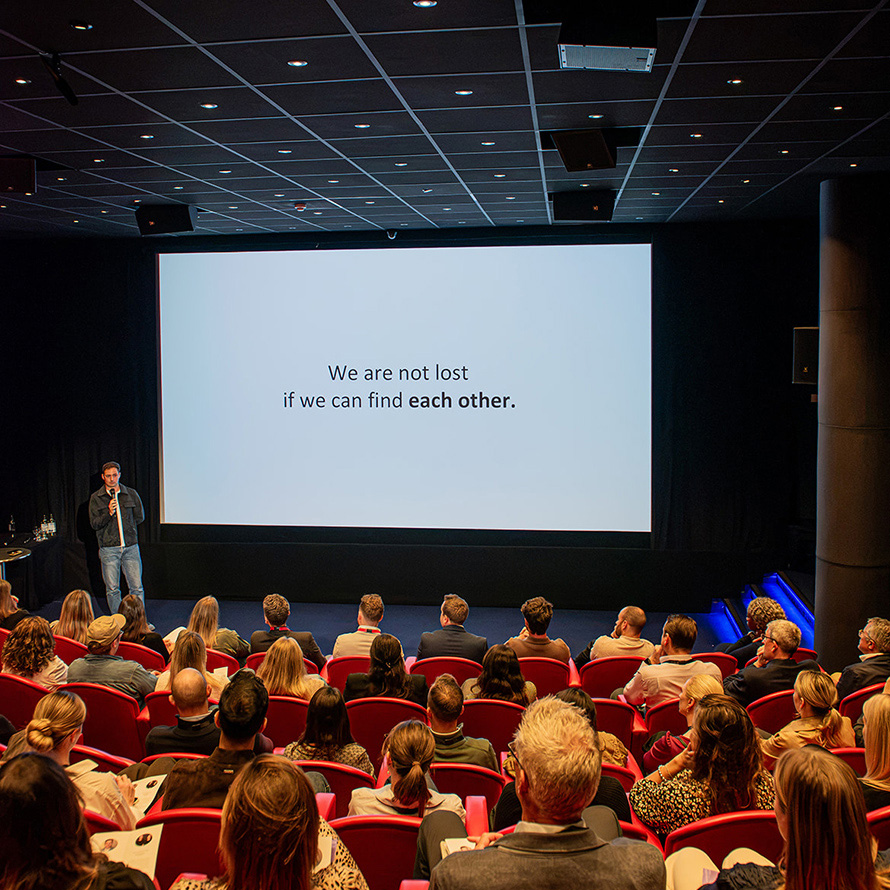
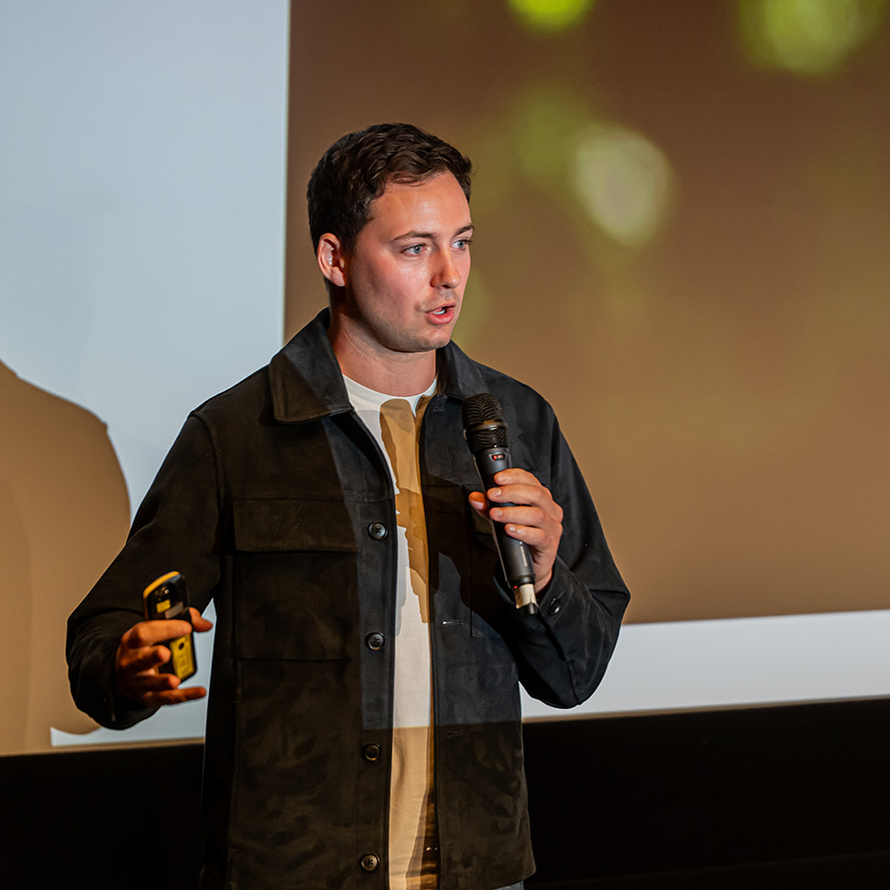
We heard Ben speak at our October speaker showcase at The Soho Hotel, where human connection was central to his message. His story gives audiences a starting point for thinking about how they listen, respond, and look out for others.
For a workplace event, we’d recommend Ben for a conversation about making mental health easier to discuss and helping people feel heard.
Topics: Mental health awareness, grief, human connection, and supporting others.
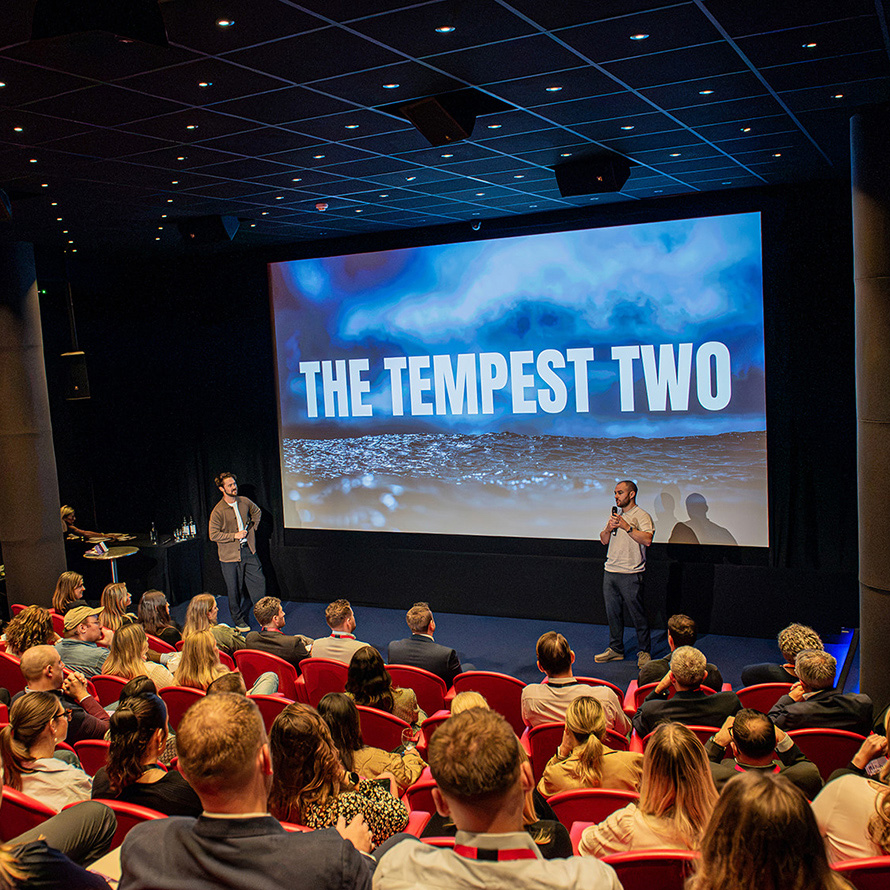
The Tempest Two
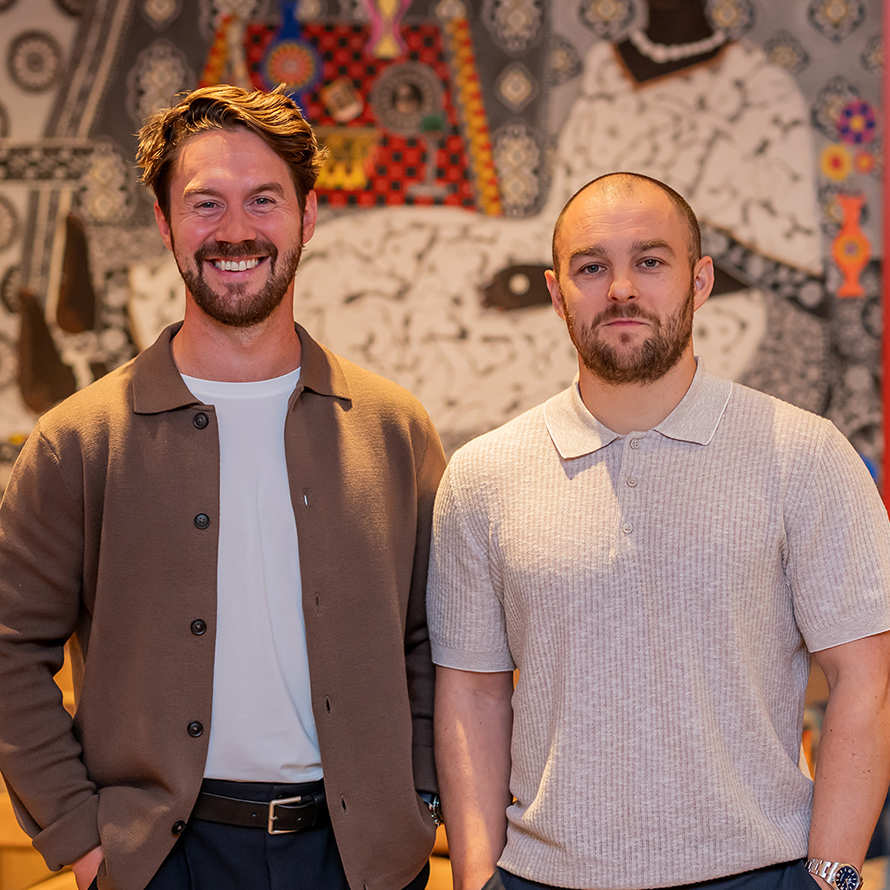
Rowing across the Atlantic and climbing El Capitan definitely requires having a lot of trust in the person beside you. For The Tempest Two, Tom Caulfield and James Whittle, those experiences provide the stories behind their talks on teamwork, adaptability, and resilience.
Also part of our October speaker showcase, the duo encouraged guests to question the limits they place on themselves. Their specialism is navigating challenges and working together under pressure, making them a useful addition to a wider men’s wellbeing programme.
We’d brief their session around trust, communication, and how teams respond when things get difficult. For an away day or conference exploring those themes alongside mental health, their adventures offer major talking points after taking in collective deep breaths while watching their action-packed videos.
Topics: Teamwork, trust, communication, adaptability, and resilience.
Joe Marler
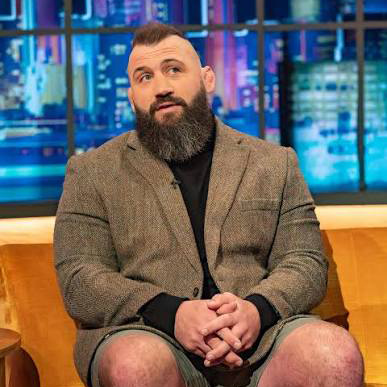
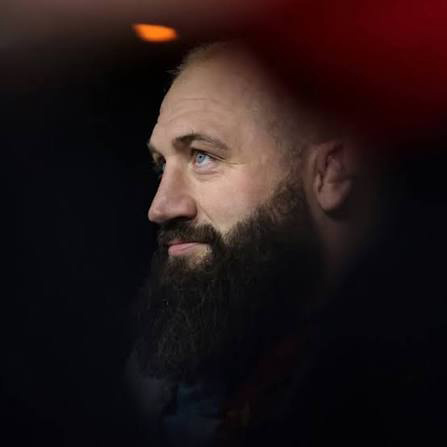
Joe Marler knows the expectations that come with playing a sport associated with physical strength and toughness. The former England and Harlequins rugby player has also spoken openly about depression, helping challenge assumptions about what someone experiencing poor mental health might look like.
His Sky Sports documentary, Big Boys Don’t Cry, followed him meeting people across the UK and exploring their experiences of mental wellbeing. That willingness to be candid makes him a relevant voice for events looking at masculinity and the pressures men can feel to keep things to themselves.
We’d consider Joe for an interview or a fireside chat that gives his personality and personal experience room to come through.
Topics: Men’s mental health, depression, masculinity, and speaking openly.
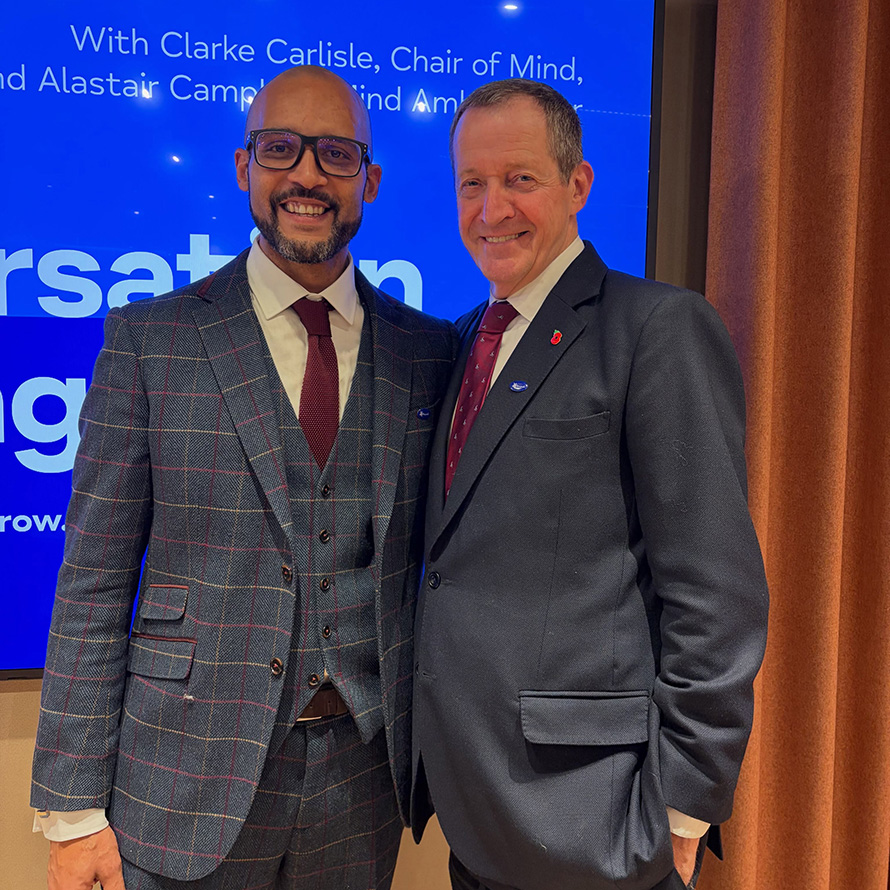
Clarke Carlisle
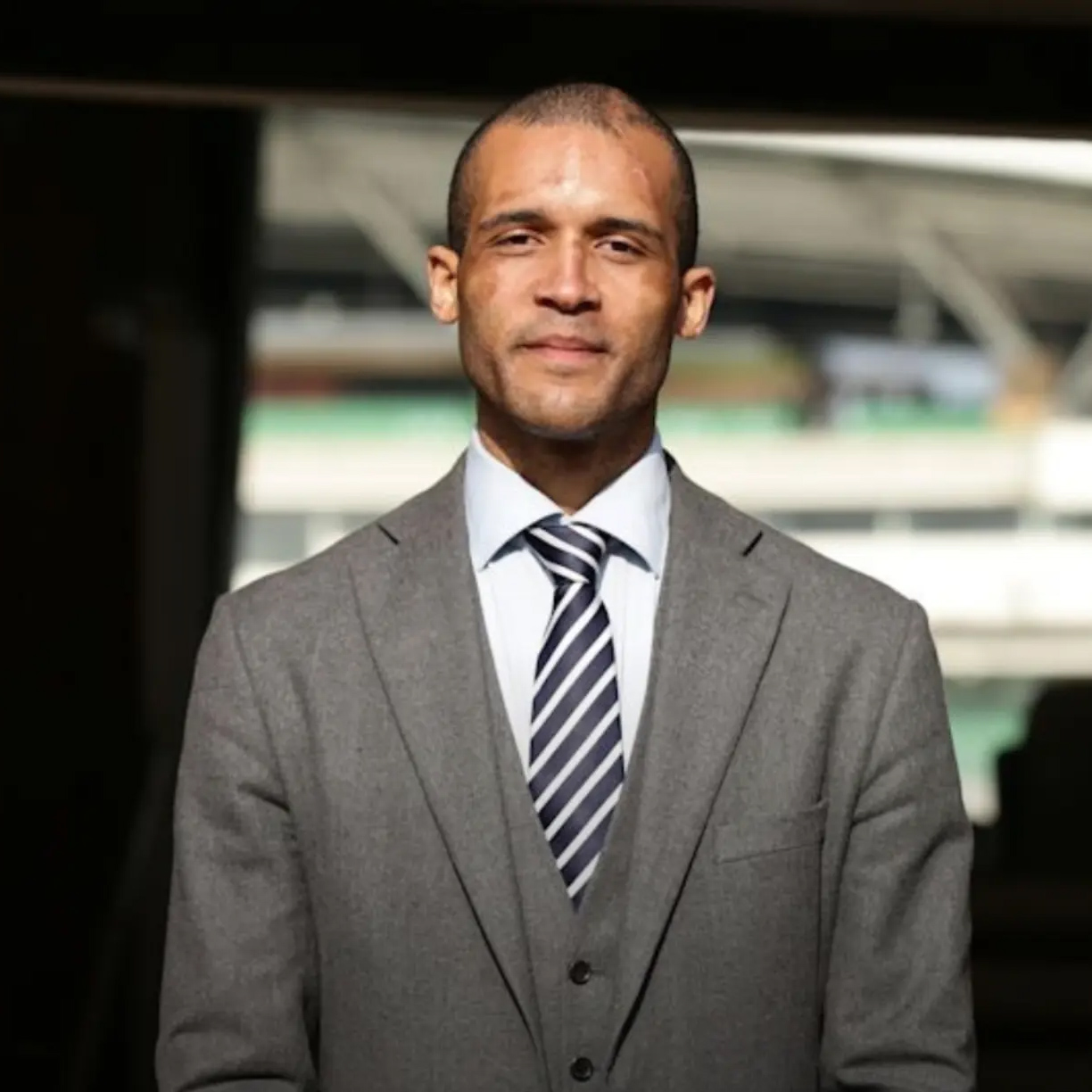
During a 17-year professional football career, Clarke Carlisle experienced the pressures of elite sport while living with mental health difficulties. He has since become a prominent campaigner, speaking candidly about depression, addiction, and his own recovery.
His work extends well beyond sharing his story. Clarke has advised organisations on mental health and wellbeing, and was appointed Chair of Mind in 2026. That combination of lived experience and organisational insight gives business audiences plenty to learn from.
For leadership teams, we’d put Clarke on the shortlist for a discussion about workplace attitudes and the responsibility organisations have towards their people.
Topics: Mental health, addiction and recovery, workplace culture, and leadership.
Matt Johnson
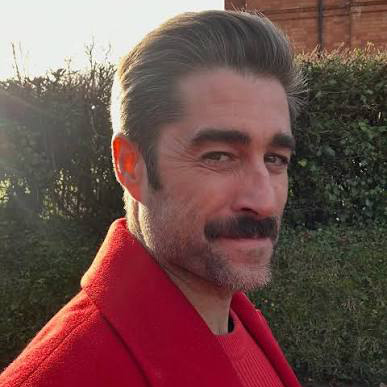
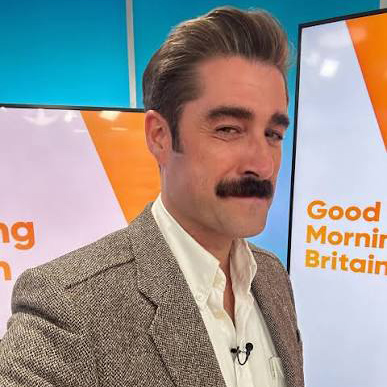
Being comfortable in front of a camera doesn’t mean it’s easy to tell someone how you’re feeling. Television presenter Matt Johnson has described hiding his depression from those around him, even when he was struggling deeply.
In speaking about his experience, Matt has highlighted the importance of reconnecting with family and friends, and allowing others to support him. His story offers a way into conversations about loneliness, the pressure to seem fine, and the hesitation that can surround asking for help.
With his presenting background, we’d consider Matt for a hosted conversation at a company wellbeing event. He’s a relevant choice for a brief focused on opening up and understanding what might be happening behind someone’s familiar, everyday manner.
Topics: Depression, loneliness, asking for help, and personal support networks.
Dr Alex George
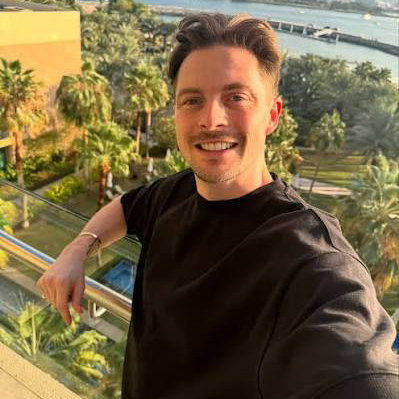
Dr Alex George brings together his experience as a former A&E doctor, mental health campaigner, and author. Alongside his books and Stompcast podcast, he speaks to organisations about mental fitness and the everyday pressures that affect wellbeing.
His dedicated men’s mental health keynote explores the barriers that can prevent men from seeking support and how workplaces can make it easier to speak up. That makes him a relevant choice for managers looking to connect awareness with the way their organisation works.
Alex also offers fireside chats and Q&As, giving organisers room to shape the conversation around their audience.
Topics: Men’s mental health, mental fitness, workplace wellbeing, and seeking support.

What You Should Consider:
Planning a men’s mental health speaker event
A good brief makes a difference. Tell your speaker who’s attending, why you’re holding the session, and which subjects you’d like to explore. A keynote can introduce a personal story to a larger audience, while a hosted conversation allows more time to discuss specific questions.
For a sensitive topic, anonymous questions can give people a way to contribute without speaking publicly. Agree on the content in advance, let guests know what the session will cover, and make it clear where they can find support afterwards. Nobody should feel expected to share a personal experience.
A speaker session works best within an ongoing approach to wellbeing, supported by clear routes to help and managers who make time to listen. November gives you a useful starting point; the conversation should continue long after it.
For guidance on starting a conversation and supporting someone who may be struggling, explore Movember’s men’s mental health resources.
Book Men’s Mental Health Speakers With AOK Entertains
Give men’s mental health a place in your next event. Whether you’re interested in one of the speakers above or would like a few more ideas, our speakers and hosts team can help you find someone who connects with your audience.